Stoneline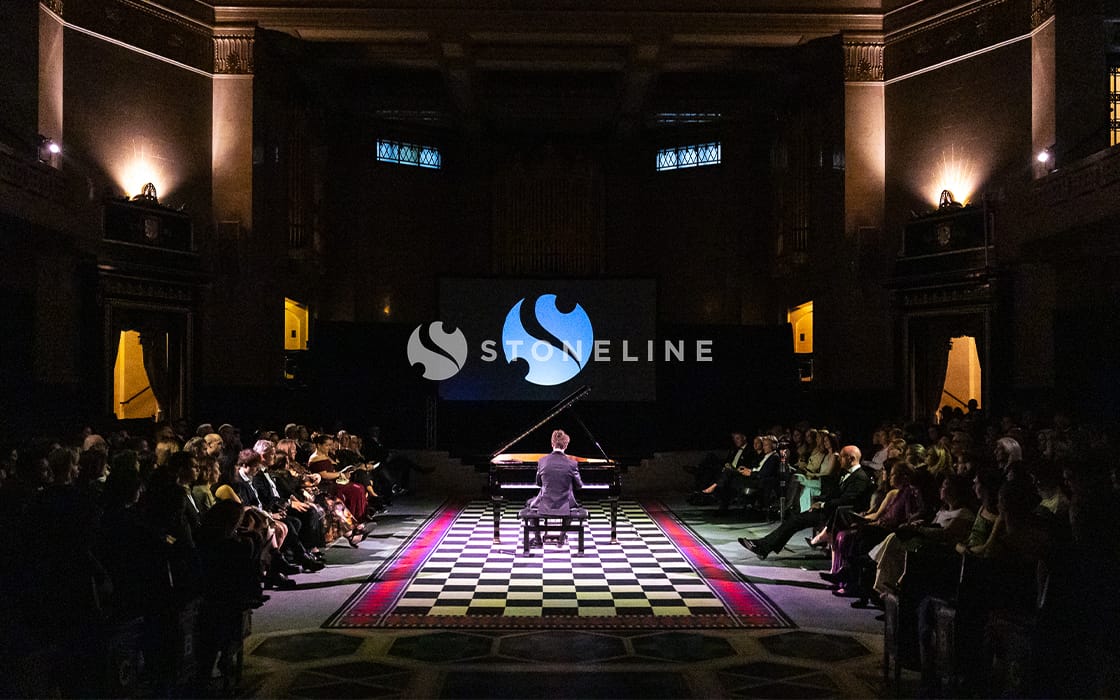
London’s leading names in architecture, interior design and construction gathered on 14 May to celebrate the opening of the new flagship showroom of Stoneline & Palezzo. Located at 132 Wigmore Street, the new showroom is set to become far more than a retail destination — positioning itself as a leading natural stone specification and experience centre in London for the UK design community.
An Exclusive Evening for London’s Design Community
Hosted by Stoneline & Palezzo, the exclusive black-tie event welcomed some of London’s most respected architects, interior designers, contractors, developers and members of the design press.
The evening began at the historic 60 Great Queen Street, where guests were welcomed with an elegant drinks reception accompanied by violinist Arda Karakaya and cellist Anna White.
Surrounded by marble columns, travertine flooring and granite detailing, attendees experienced an atmosphere that reflected the timeless sophistication of natural stone within contemporary architecture and luxury interior design.
The setting perfectly captured the philosophy behind the new Stoneline London showroom — a space where materiality, craftsmanship and design expertise come together.
An Intimate Piano Performance by Mihály Berecz
The celebration continued with a private piano recital by internationally acclaimed pianist Mihály Berecz.
Blending art, architecture and craftsmanship, the performance reflected the values at the heart of Stoneline & Palezzo: precision, elegance and attention to detail.
Within today’s premium and super-prime sectors, exceptional design is no longer defined by beautiful materials alone. Execution, collaboration and project expertise have become equally important in delivering world-class residential, hospitality and commercial spaces.
More than simply opening another luxury showroom in London, Stoneline & Palezzo introduced a destination designed to encourage dialogue, inspiration and long-term industry partnerships.
132 Wigmore Street: A New Natural Stone Specification & Experience Centre
The new showroom has been designed not only as a display space, but as a multifunctional hub for architects, interior designers, developers and construction professionals working across the UK luxury market.
The 132 Wigmore Street experience centre will host:
- Natural stone specification consultations
- Project development meetings
- Educational workshops
- Architectural collaborations
- Community and networking events
- Premium client experiences
Through this flagship London location, Stoneline & Palezzo aim to strengthen their presence within the UK luxury interiors and architectural market while reinforcing the role of natural stone as a defining element in premium projects.
A New Destination for Luxury Natural Stone in London
Across luxury residential, hospitality and commercial developments, natural stone continues to play a central role thanks to its timeless aesthetic, durability and individuality.
The new natural stone showroom in London offers architects, interior designers, developers and contractors the opportunity to experience a curated collection of premium marble, travertine and natural stone surfaces within an immersive and collaborative environment.
The message of the evening was clear:
132 Wigmore Street is officially open.
A new destination for specification, education, collaboration and community within London’s design and construction industry.