 Stoneline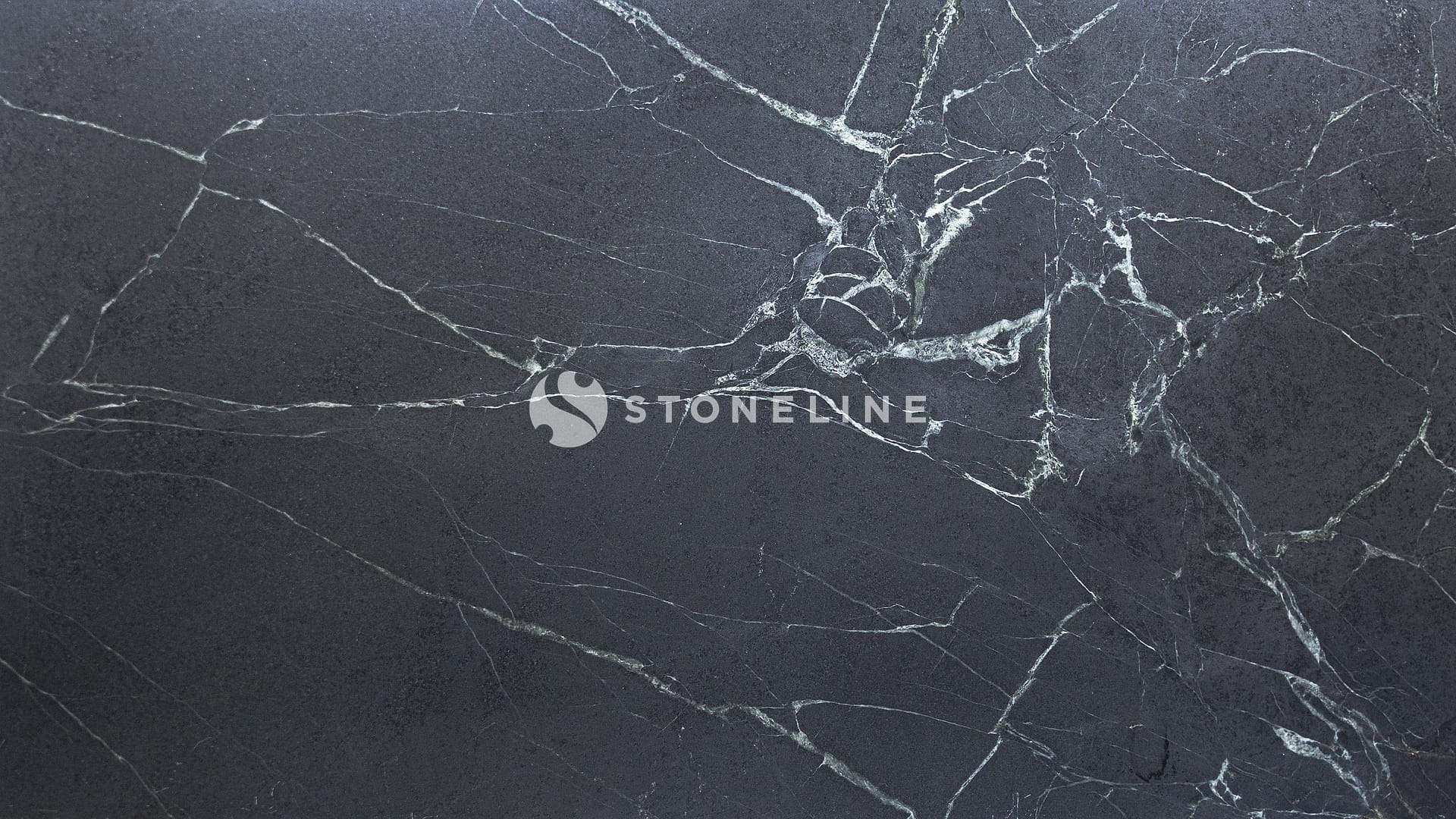
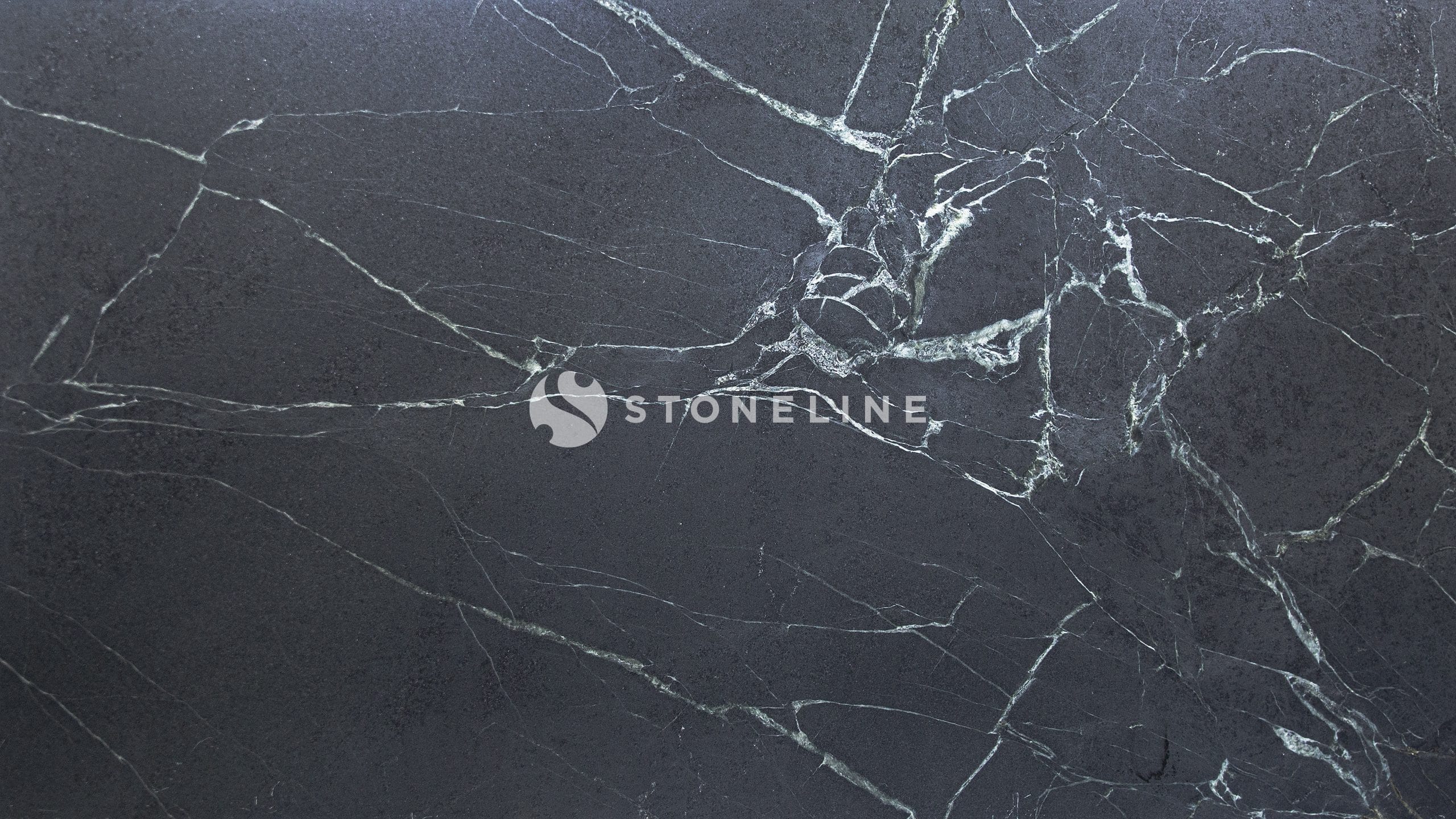
BLACK SOAPSTONE
Copyright © Stoneline 2026
The most distinctive feature of this rock, known geologically as steatite (soapstone), is that its main component is the mineral talc (Mg₃Si₄O₁₀(OH)₂). In addition to talc, it also contains minerals such as mica, chlorite (the mineral that gives the stone its greenish colour) and magnetite.
Soapstone forms as a result of a slow metamorphic process occurring under high temperature and pressure. It arises from the hydrothermal alteration of dark-coloured minerals or the transformation of magnesium-rich carbonate rocks such as dolomite. Over time, minerals rich in magnesium undergo transformation due to the action of water.
With a hardness of 2 on the Mohs scale, this stone has a very soft texture. It is known as ‘soapstone’ due to this characteristic. It is highly resistant to acids and alkalis.
Soapstone is particularly favoured in the production of works of art due to its ease of working. It is also widely used as an industrial material. Due to its resistance to acids and alkalis, it is particularly favoured for laboratory workbenches.
Furthermore, because it can withstand high temperatures, it is used in foundries and for furnace linings. Its ground form is utilised as a filler material in the paper and plastics industries.
APPLICABLE SURFACES
SURFACE TYPES
STOCK DETAILS
Please contact us to obtain reservation information regarding the stones you have selected.
ALL SURFACE STOCK DETAILS
| Product Name | Width | Height | Surface Type | Lot | m2 | Image |
|---|---|---|---|---|---|---|
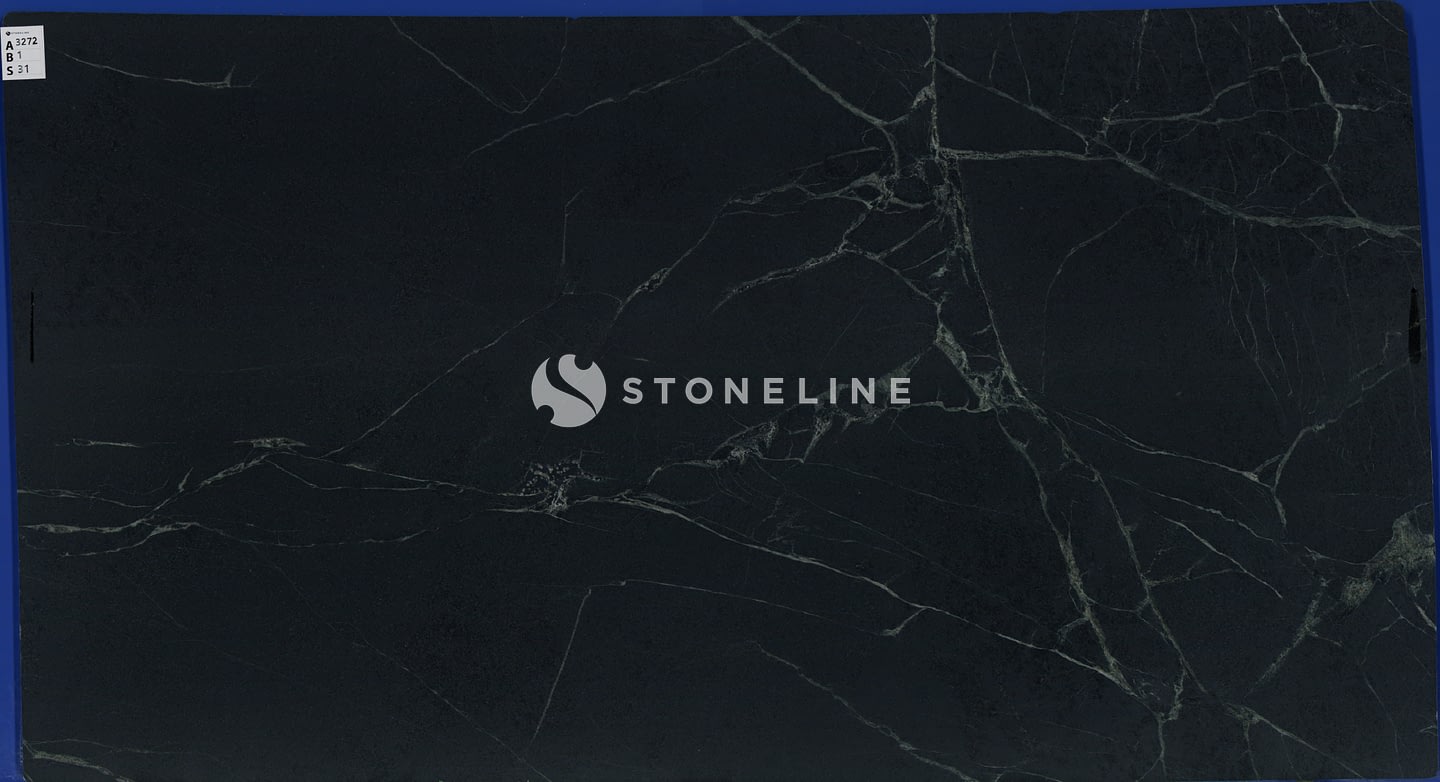
| BLACK SOAPSTONE | 325 | 175 | Honed | A3272 | 5.69 |
|
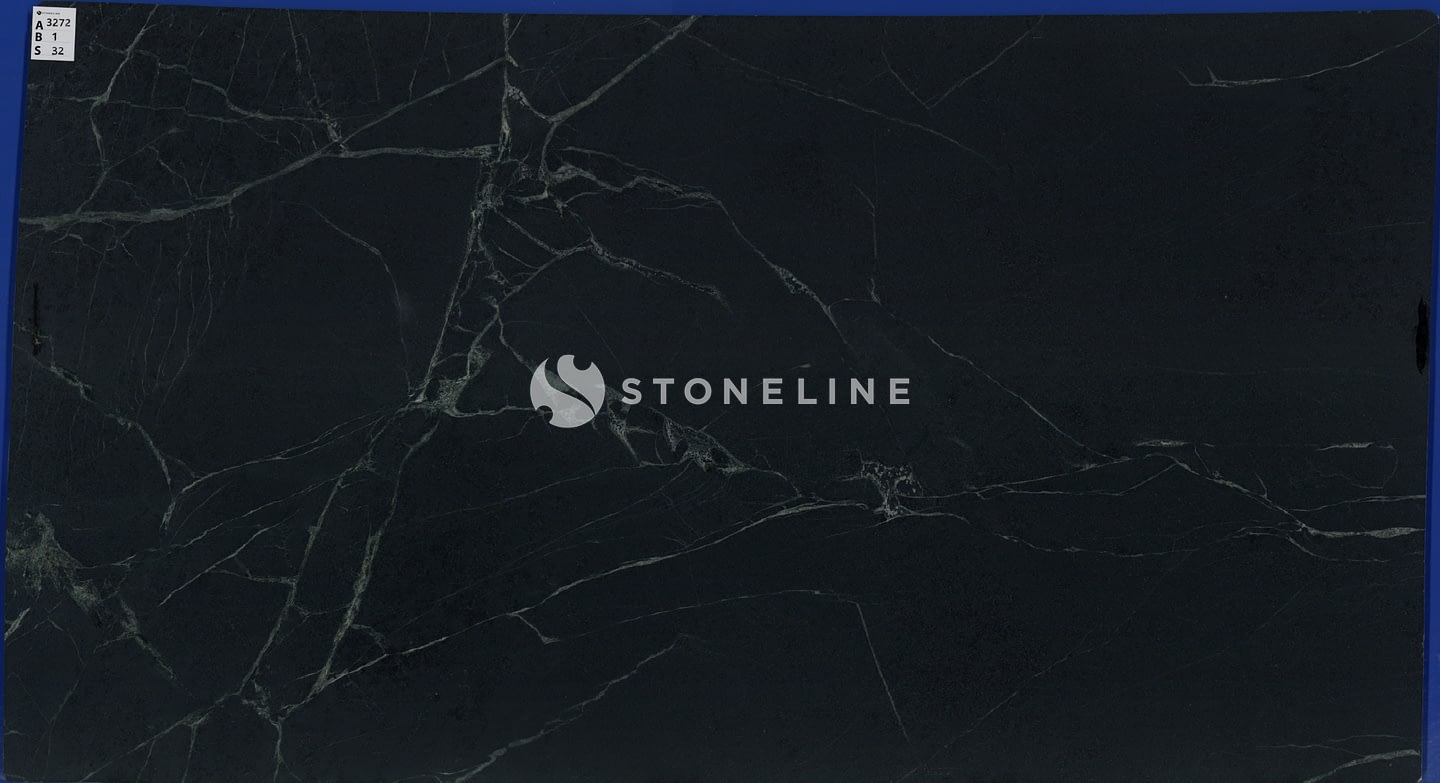
| BLACK SOAPSTONE | 325 | 175 | Honed | A3272 | 5.69 |
|
| BLACK SOAPSTONE | 325 | 175 | Honed | A3272 | 5.69 |
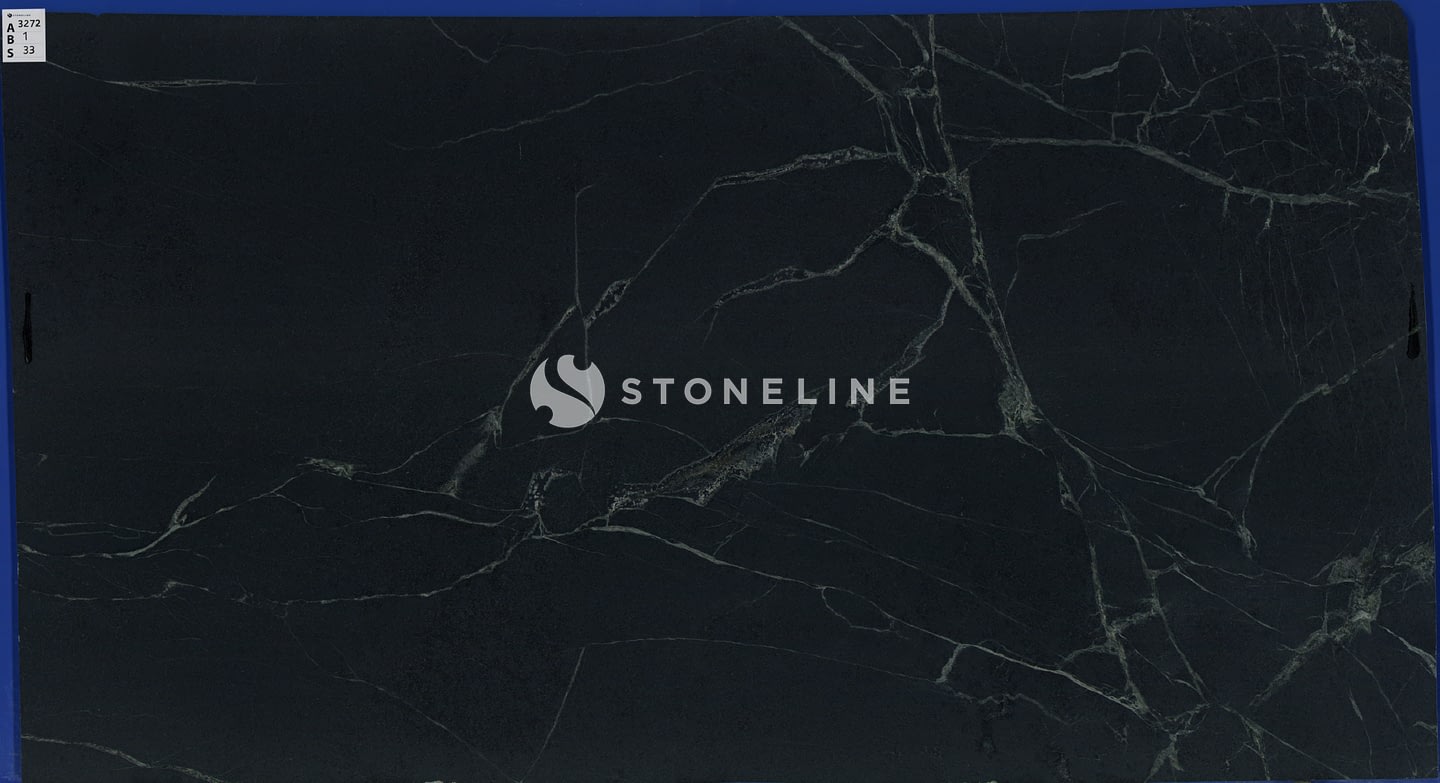
|
| BLACK SOAPSTONE | 325 | 175 | Honed | A3272 | 5.69 |
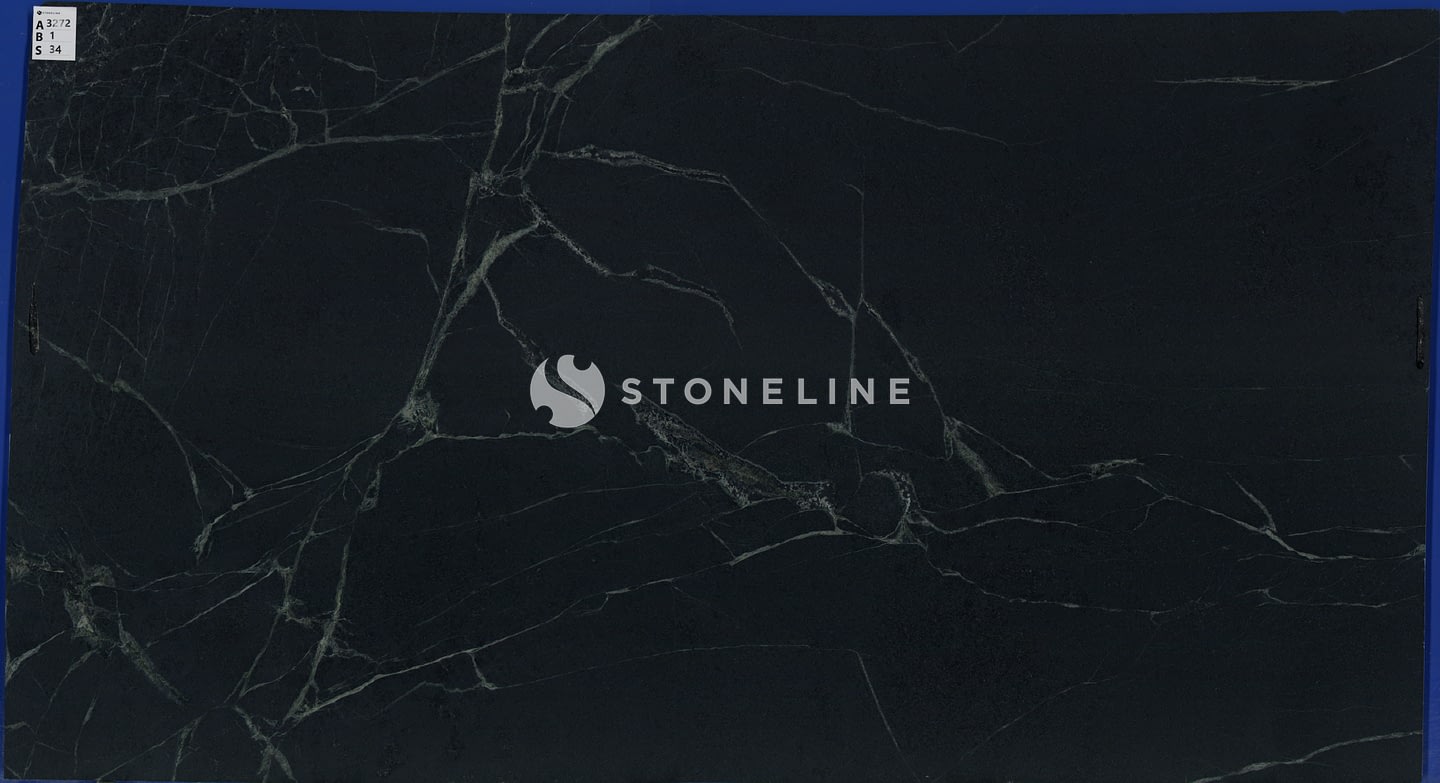
|
| BLACK SOAPSTONE | 325 | 175 | Honed | A3272 | 5.69 |
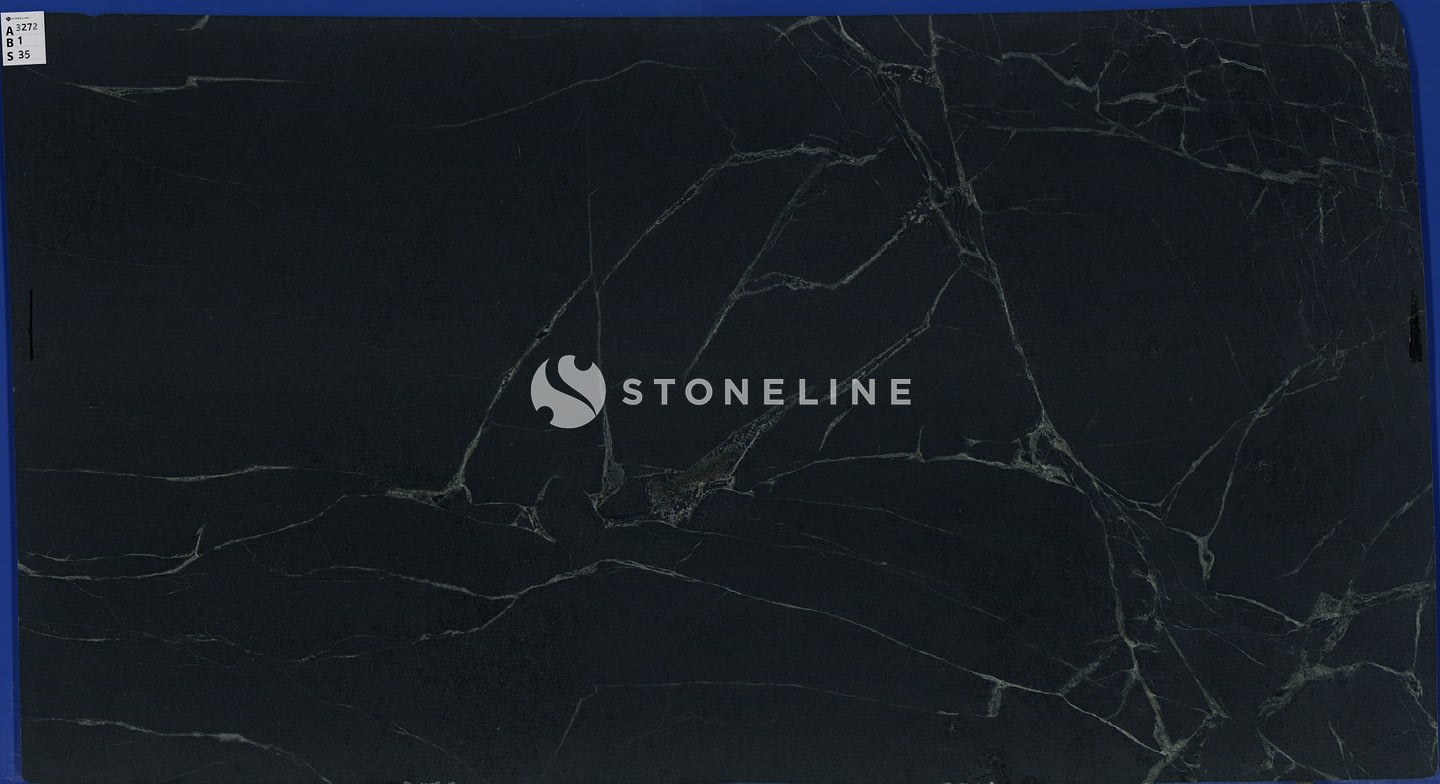
|
| BLACK SOAPSTONE | 325 | 175 | Honed | A3272 | 5.69 |
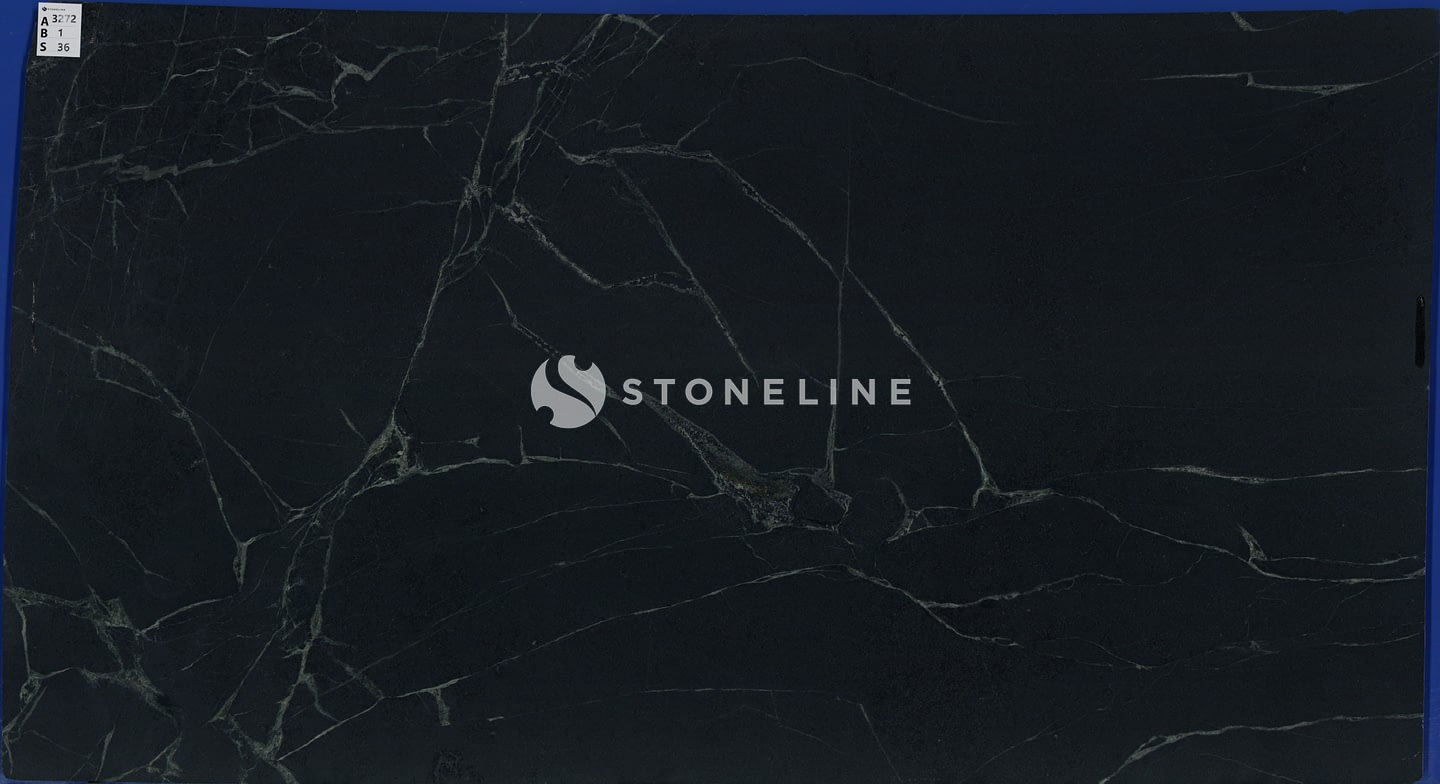
|
| BLACK SOAPSTONE | 325 | 175 | Honed | A3272 | 5.69 |
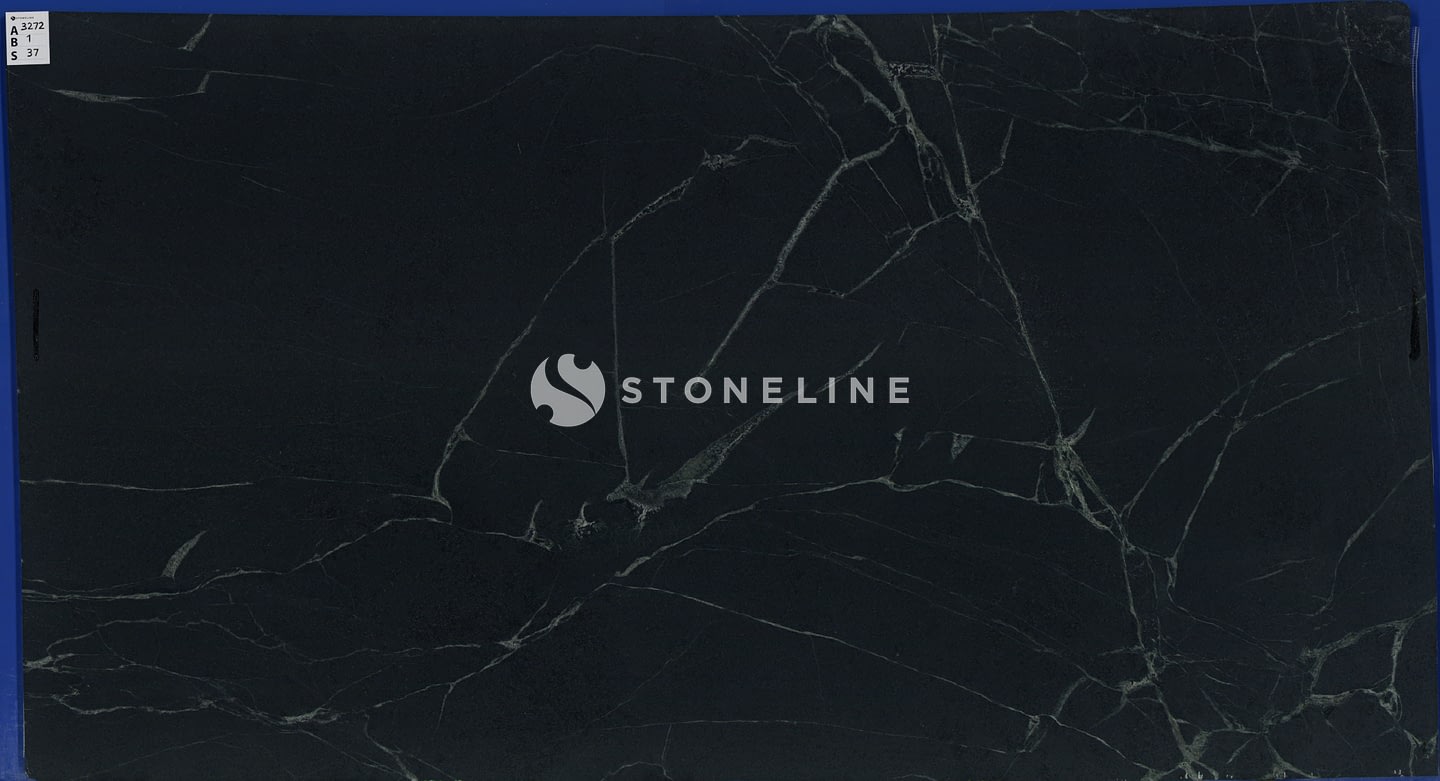
|
| BLACK SOAPSTONE | 325 | 175 | Honed | A3272 | 5.69 |
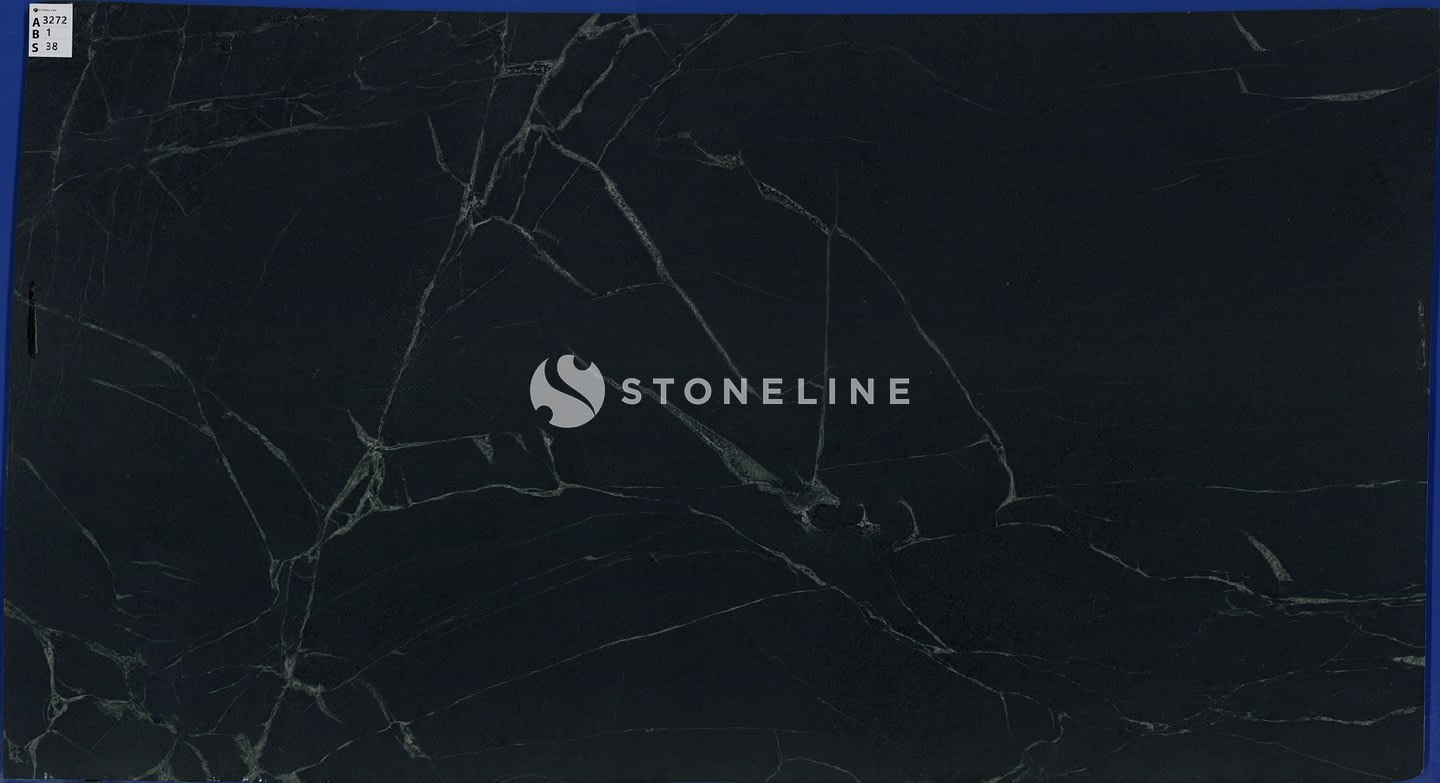
|
| BLACK SOAPSTONE | 325 | 175 | Honed | A3272 | 5.69 |
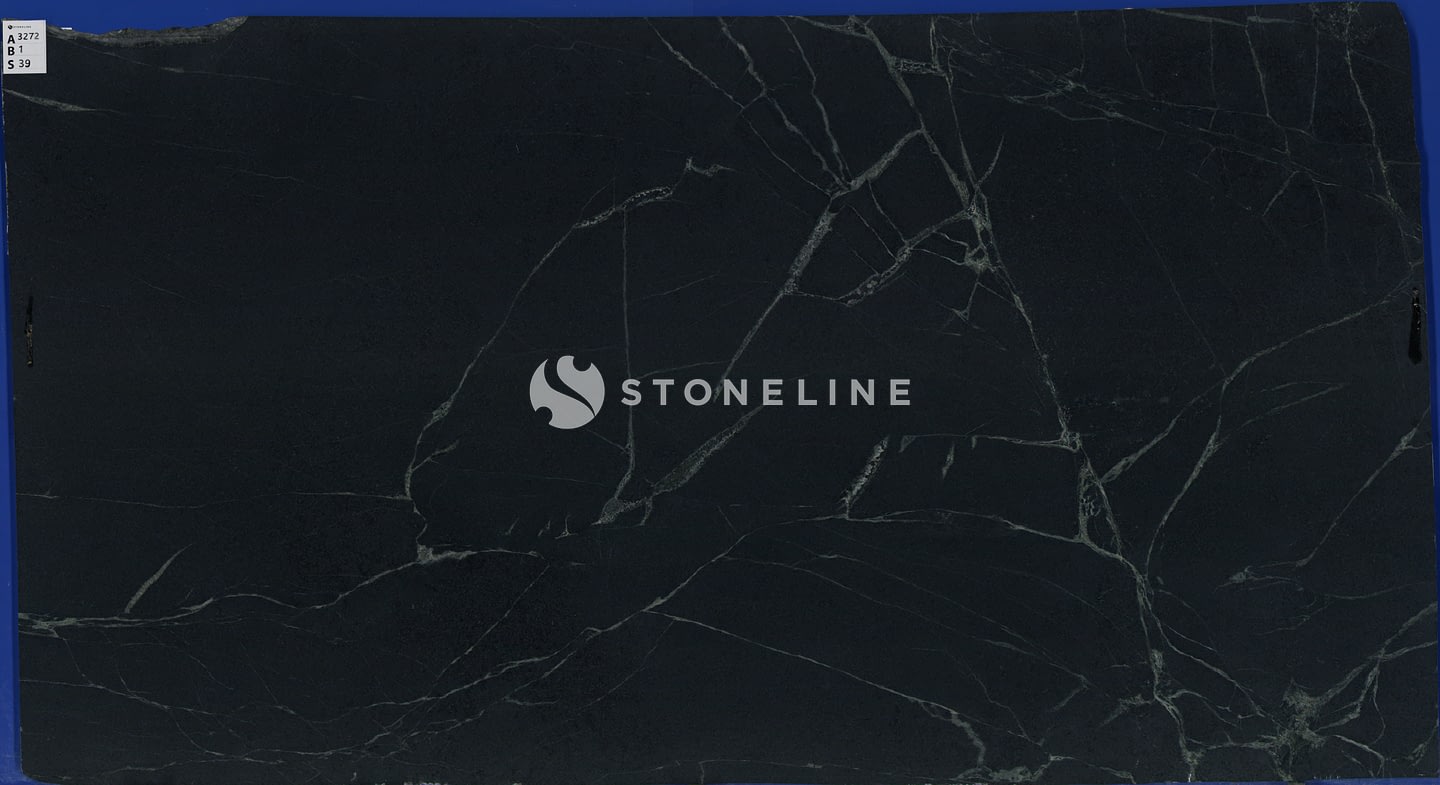
|
| BLACK SOAPSTONE | 275 | 175 | Honed | A3272 | 4.81 |

|
- Honed
- 56.02 m2
- Stock Sum: 56.02 m2