 Stoneline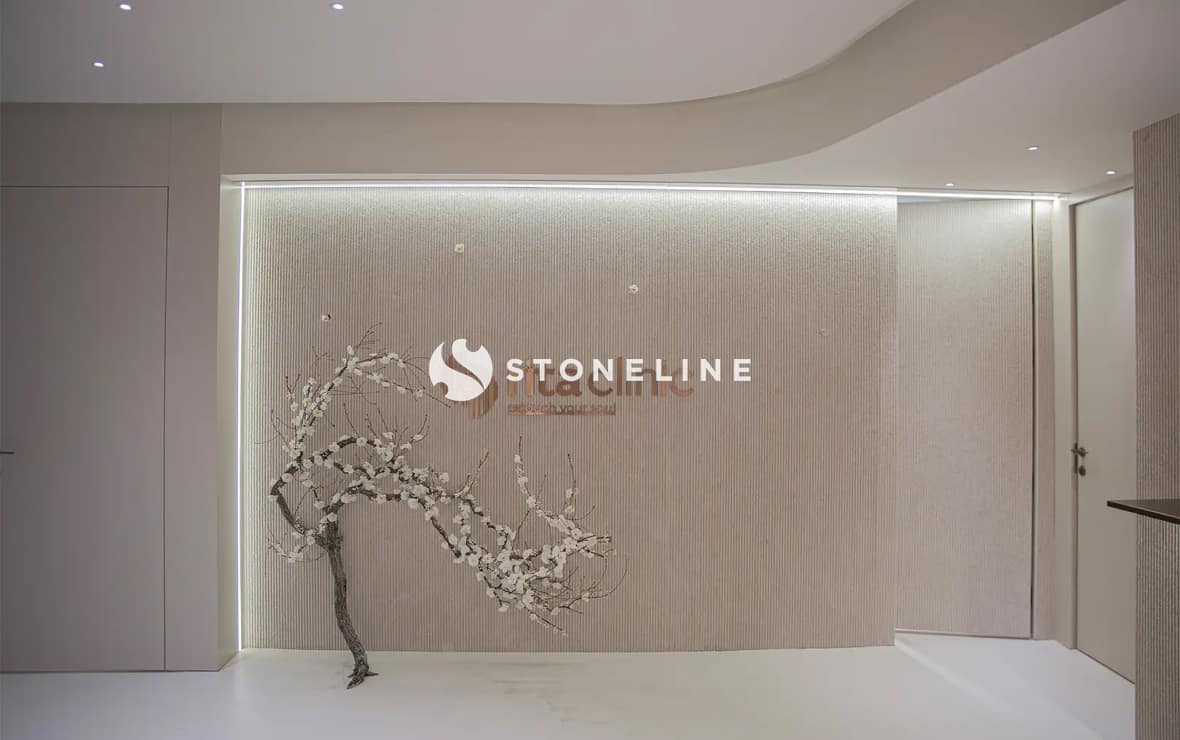
A Natural Material That Combines Elegance and Functionality
Limestone is one of the most indispensable natural stones in architectural projects, thanks to its high calcium carbonate content, light-toned appearance, and ease of processing. It is widely used in both interior and exterior settings — from historical restorations to contemporary architectural designs.
Key Features and Advantages
- Natural Aesthetic: Its calm and serene appearance, offered in soft tones such as beige, cream, and light gray, enhances any space.
- Workability: Limestone is particularly well-suited for block cutting and surface treatments, making it an ideal choice for detailed stonework.
- Thermal Comfort: Its porous structure contributes to a balanced indoor climate by regulating temperature.
- Eco-Friendly: It offers a low carbon footprint and can be recycled, aligning with sustainable building practices.
Common Areas of Use
- Interior wall cladding and flooring
- Garden and landscape design
- Restoration of historical buildings
- Architectural elements such as stairs and columns
How to Select the Right Limestone
Choosing the correct limestone for a project depends on several key factors:
- Color & Texture: Select natural tones and textures that complement your project’s overall design.
- Surface Finish: Options like honed, tumbled, or brushed surfaces should be chosen based on the intended application.
- Durability: For exterior use, prioritize limestones with high resistance to UV radiation and moisture.
Design Considerations
Harmony of Light, Texture, and Color
- Color: Limestone blends harmoniously with wood and other stone materials due to its neutral palette.
- Texture: Matte finishes evoke calmness, while semi-polished surfaces add vibrancy.
- Light: In spacious interiors, light-colored limestone reflects daylight, creating a bright and airy ambiance.
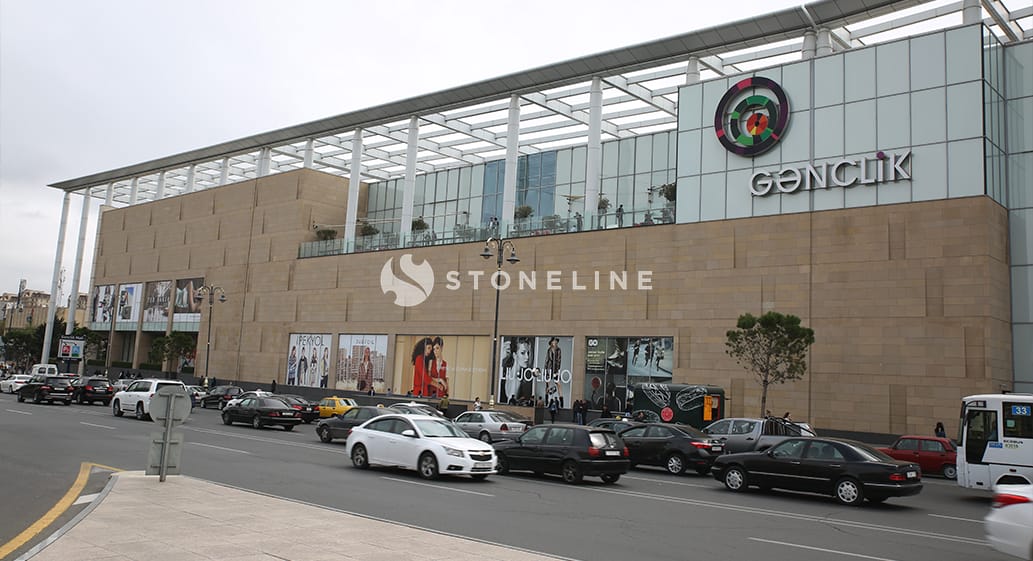
SHOPPING MALL PROJECT / 3

PRIVATE RESIDENCE PROJECT – 5

SLASH ARCHITECTS – RITA CLINIC
Popular Limestone Design Applications
- Facade Panels: Offer an elegant appearance for villas, hotels, and public buildings.
- Wall and Floor Coverings: Suitable for both modern and classical architectural spaces.
- Columns and Buttresses: Reflect harmony with traditional design styles.
- Garden Walls and Pathways: Add a natural, earthy touch to landscape architecture.
Featured Limestone Products


Procurement and Purchasing Process
Ensuring the reliable supply of limestone is one of the most critical steps toward a successful project:
- Trusted Supplier: Source from experienced and reputable providers like Stoneline.
- Quality Control: Check for consistent color tones and inspect for surface imperfections.
- Logistics & Storage: Plan proper transportation, stacking, and on-site installation procedures.
Surface Care and Protection
- Cleaning: Weekly cleaning with pH-neutral cleaners is recommended.
- Protection: Use water- and oil-repellent surface treatments to improve stain resistance.
- Maintenance: In case of cracks or surface damage, professional repair using filler and sanding methods is advised.
FAQs
Both are calcium carbonate-based stones, but marble has a harder and denser structure. Limestone is more porous and has a matte surface. While marble is ideal for polished finishes, limestone offers a softer, more natural aesthetic.
Yes. Limestone is a naturally sourced material that requires low energy for processing. Its long lifespan, recyclability, and environmentally friendly nature make it a frequent choice in sustainable architecture.
Thanks to its soft tones and natural surface, limestone pairs well with minimalist, rustic, Mediterranean, and traditional design styles. It also creates striking combinations with materials like warm-toned wood, wrought iron, and glass.
Prolonged exposure to UV rays and weather conditions may lead to the development of a natural patina on the limestone surface. This aging process is often desired for the unique character it brings to architectural projects.
Acidic or abrasive cleaning agents can damage limestone surfaces. It’s best to use pH-neutral products specifically developed for natural stone. Regular cleaning helps preserve the stone’s natural appearance.
Due to its naturally porous structure, limestone has a high rate of water absorption. For wet areas or outdoor use, water-repellent sealing treatments are essential.
Compared to harder stones like marble or granite, limestone is softer and more susceptible to impact. Therefore, it requires more care in high-traffic or exposed areas.
Limestone can be used for flooring, wall cladding, fireplace surrounds, staircases, sinks, and countertops. Thanks to its matte and natural texture, it complements both classical and modern design schemes.
Limestone is a sedimentary rock formed primarily from natural calcium carbonate (CaCO₃). Its porous structure, light color palette, and ease of fabrication make it widely used in architectural and decorative projects. It stands out for its thermal comfort and natural aesthetic.