 Stoneline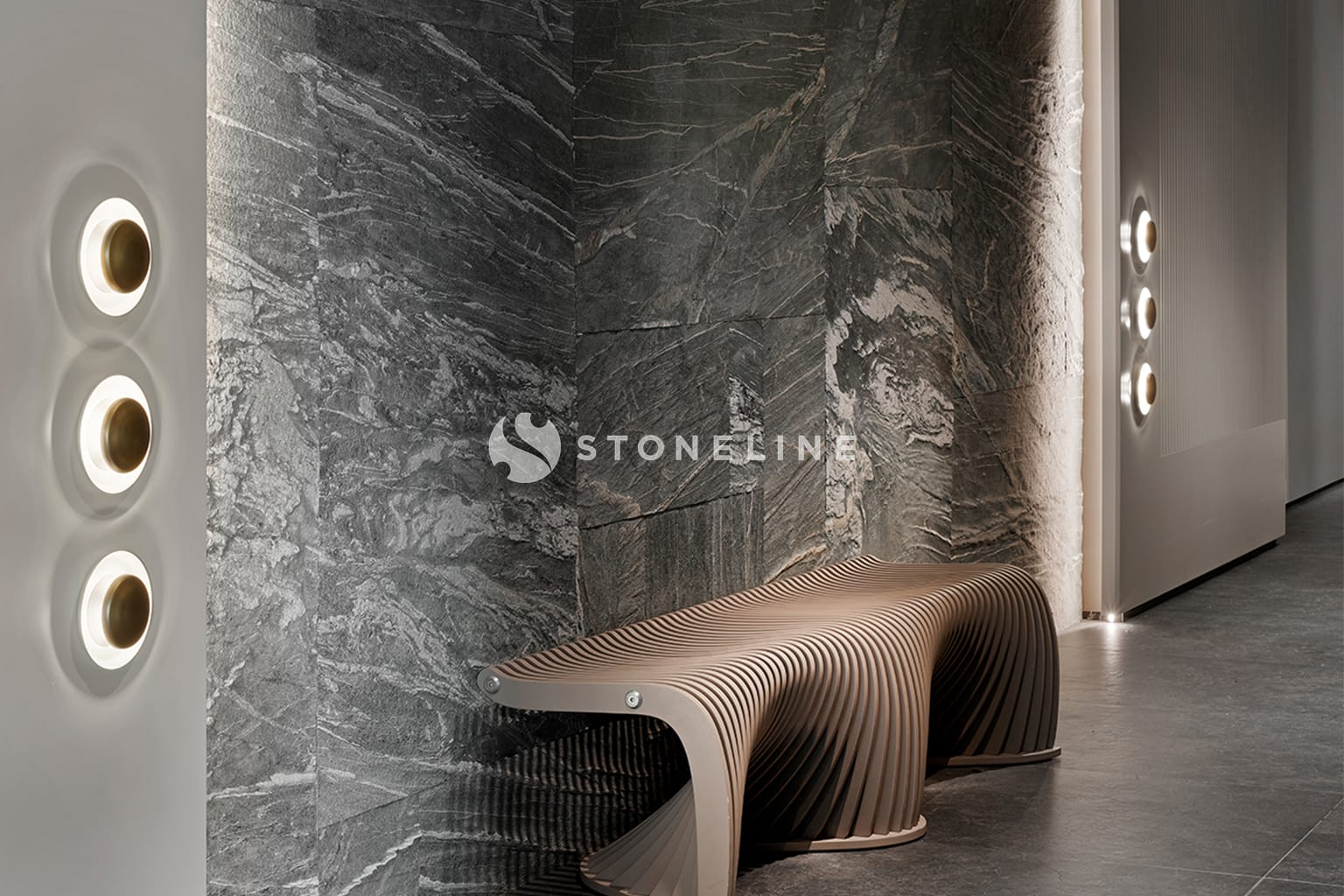
Granite is a magmatic rock formed deep within the Earth’s crust as a result of natural processes that have taken place over millions of years, possessing a high crystal density. Thanks to its durability, aesthetic diversity, and workability, it has been one of the most preferred natural stones in architecture and construction for centuries. However, defining granite merely as a durable material would be insufficient. What makes it truly special is the unique texture and color harmony shaped by nature’s flawless sense of engineering.
At Stoneline, we transfer this natural heritage to your projects with values of aesthetics, function, and sustainability.
Our granite collection stands out not only with its technical properties but also with the richness it adds to architectural identity.
What Is Granite? A Scientific Perspective
Granite is a magmatic rock that contains quartz, feldspar, and mica.
This mineral combination determines not only the physical strength of granite but also its visual characteristics.
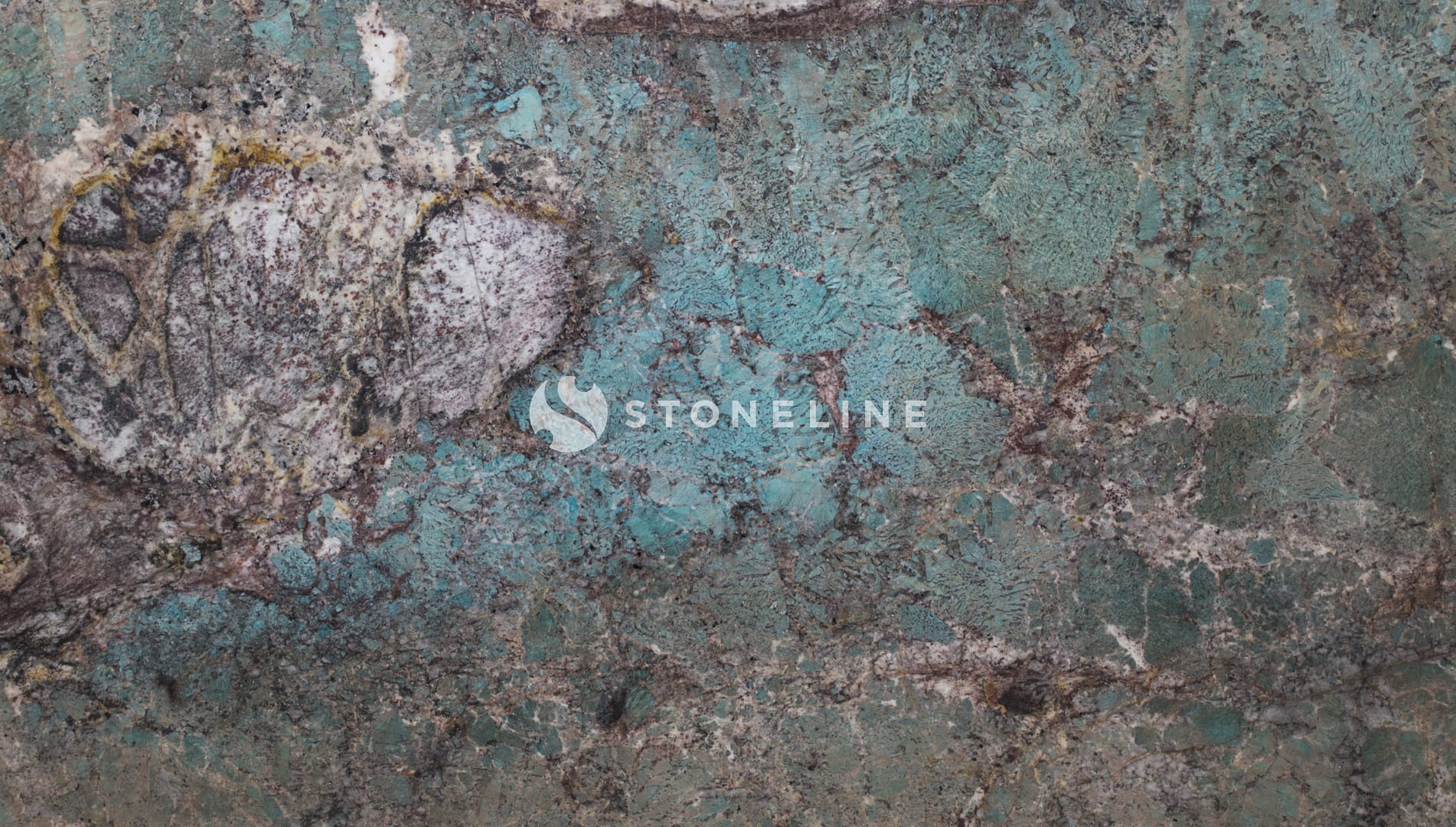
For example, granite varieties in shades of light gray, black, white, pink, or green differ according to their mineral ratios and crystal structures.
The natural crystal reflections seen on its surface, its response to light, and the smooth transitions make it not only a functional material but also a visual focal point.
Our Popular Granite Products


Aesthetic Richness: Every Stone Is a Composition
The aesthetic aspect of granite arises from its vein structure, color transitions, and crystal density that reflect the traces of its natural formation process. No granite slab is identical to another, which makes every project unique.
A black matte granite used in a minimalist kitchen design and a light-toned polished granite preferred in a classic hotel lobby are different interpretations of the same material.
Stoneline combines this natural diversity with proper applications, adding originality and balance to your designs.
Granite and Sustainability
Granite is an environmentally friendly material.
Thanks to its natural formation, it contains no chemical substances, and its production process can be optimized to minimize environmental impact.
Granite contributes not only value to a structure but also a reduced carbon footprint over time.

Which Type of Granite Should Be Used Where?
The usage area of granite is quite broad, and the selection criteria vary depending on the purpose of the project:
- Polished Granite: Provides a bright and smooth appearance in interior spaces, especially in kitchens and bathrooms.
- Honed Granite: With its matte texture, it is preferred in modern decorations.
- Brushed / Flamed Granite: Ideal for exterior façades, pool surroundings, and walkways where slip resistance is required.
Application areas:
- Kitchen countertops
- Floor coverings
- Façade claddings
- Stair steps
- Landscape arrangements
The Right Choice in Granite with Stoneline
A technically strong material like granite reveals its true value only through the right sourcing, processing, and application stages.
Stoneline is not merely a natural stone supplier but an integrated project partner.
From the extraction of the stone at its origin to surface treatment, from sample preparation to on-site delivery, we maintain strict quality control at every stage.
Stonline’s expertise is chosen not only for architectural needs but also for an aesthetic statement, technical assurance, and brand integrity.
Granite, as one of nature’s most durable building stones, supports architectural vision both technically and aesthetically.
At Stoneline, we redefine this unique material within the triangle of science, art, and engineering, offering customized solutions for every project.
Discover the pure strength and elegance of granite — you are at the right place to add not only stone but also character to your designs.
FAQS
Yes. Sourced directly from nature and known for its exceptional durability, granite requires minimal maintenance and replacement over time. Its longevity and recyclability make it one of the most sustainable materials in modern architecture.
No. When properly used, granite surfaces are remarkably easy to maintain. Regular cleaning with a damp cloth and a pH-balanced cleaner is usually sufficient. Applying protective sealants periodically helps preserve its shine and enhances resistance to stains and moisture.
Granite is a 100% natural stone. After extraction, it undergoes surface treatments such as cutting, polishing, or flaming — processes that enhance its aesthetic and physical qualities without altering its natural structure.
Granite is widely used across a variety of architectural applications — from flooring and wall cladding to kitchen countertops and staircases. Its strength, resistance, and timeless aesthetic make it a preferred material for both residential and large-scale commercial projects, including hotels and public spaces.
Although both are natural stones, granite and marble differ in their geological origins. Granite is of igneous origin, formed by the solidification of molten magma, while marble is metamorphic, created by the recrystallization of limestone under intense heat and pressure.
Granite is an igneous rock formed deep within the Earth’s crust through geological processes that span millions of years. It is composed primarily of crystallized minerals such as quartz, feldspar, and mica, which together create its distinctive strength and visual texture.